

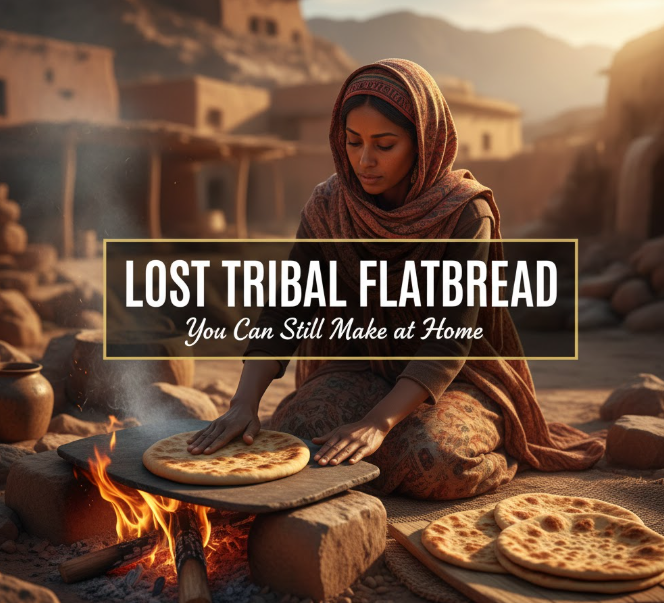
Have you ever stumbled upon an ancient recipe and wondered, “Can I make this at home?” Well, today, we’re diving into a fascinating piece of culinary history: lost tribal flatbreads. These breads, passed down through generations, were staples for tribes across the world. But with modern life, many of them disappeared—until now. The good news? You can recreate these flatbreads right in your kitchen, and it’s easier than you think! 🌾
Why Tribal Flatbreads Are Special
Tribal flatbreads are not just food—they’re stories baked into dough. Each flatbread tells the tale of survival, culture, and local ingredients. Unlike modern breads, which often rely on refined flour and chemical leavening, tribal flatbreads use what’s around: millet, sorghum, maize, or even wild herbs.
Here’s why you should care:
Nutrient-rich: Many tribal flatbreads use whole grains.
Sustainable: Made with local, seasonal ingredients.
Unique flavors: Herbs and seeds give an earthy, robust taste.
Ingredients You Can Source Easily
One reason these breads went “lost” is because modern diets shifted toward wheat and processed grains. But don’t worry—you can still make them at home using pantry staples.
| Ingredient | Tribal Use | Modern Substitute |
|---|---|---|
| Millet flour | Northern Africa tribes | Any whole grain flour |
| Sorghum flour | Native African tribes | Buckwheat or rice flour |
| Maize (corn) | Americas | Cornmeal |
| Wild herbs | Tribal seasoning | Fresh herbs from garden |
| Seeds (sesame, flax) | Added nutrition | Sunflower or pumpkin seeds |
🌿 Tip: Don’t skip the seeds—they add crunch and flavor, and that earthy tribal touch.
Simple Steps to Make Your Own Tribal Flatbread
Let’s get practical. You don’t need fancy equipment, just a bowl, rolling pin, and a hot pan. Here’s a step-by-step approach:
Mix the Flour and Water
Start with 1 cup of your chosen flour and gradually add ½ cup water. Mix until it forms a soft, pliable dough.Add Natural Flavors
Chop fresh herbs or add a teaspoon of seeds. This is where you can get creative—think garlic, rosemary, or even dried chili flakes.Rest the Dough
Let it sit for 15–20 minutes. This helps the grains absorb water and makes rolling easier.Roll Thin
Flatten the dough into circles or ovals. Remember, these breads are usually thin—almost like a pancake.Cook on a Hot Pan
Place the flatbread on a preheated skillet for 1–2 minutes per side until golden spots appear. No oil is needed, but a tiny brush adds a nice aroma.Serve Hot
Tribal flatbreads are best eaten fresh, with dips, stews, or even honey. 🍯
Why Making Flatbread at Home Matters
Recreating lost tribal flatbreads is more than a cooking experiment—it’s a way to preserve history. Think about it: each bite is a connection to people who lived off the land, knew their grains, and celebrated simple flavors.
Cultural Connection: You’re tasting a piece of history.
Health Benefits: Whole grains, seeds, and herbs boost nutrition.
Family Fun: Rolling and cooking together makes it interactive and memorable.
Variations You Can Try
You don’t need to stick to one recipe. Tribal flatbreads were naturally diverse because every tribe adapted to what was available. Here are some variations:
| Variation | Ingredients & Flavor |
|---|---|
| African Millet | Millet flour, water, pinch of salt, sesame seeds |
| Corny Delight | Cornmeal, water, a teaspoon of dried herbs |
| Spicy Herb Flat | Sorghum flour, chili flakes, cumin seeds |
| Sweet Tribal | Millet or wheat flour, honey, and crushed nuts |
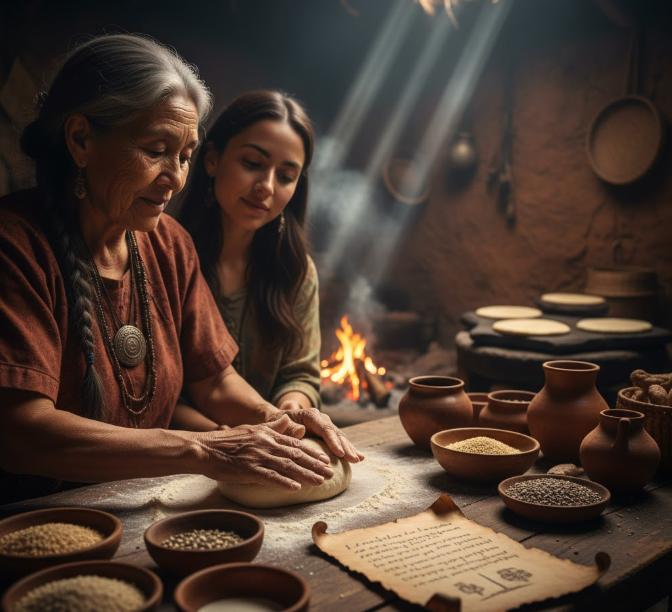
Tips for Perfect Flatbread Every Time
Preheat your pan; tribal breads cooked on hot stones traditionally. 🔥
Keep the dough slightly sticky—it prevents cracking.
Experiment with thickness: thin gives a crisp texture, thick gives a soft bite.
Store leftovers in a cloth, not plastic, to retain softness.
FAQs About Lost Tribal Flatbreads
Q1: Can I use regular wheat flour?
Absolutely! Wheat flour works, but for authenticity, try mixing it with millet or sorghum.
Q2: Can I freeze flatbreads?
Yes, freeze after cooking. Reheat on a pan or in an oven. Fresh is best though!
Q3: Are these flatbreads gluten-free?
If you use millet, sorghum, or corn, they are naturally gluten-free.
Q4: What can I serve with them?
They go well with stews, soups, dips, yogurt, honey, or even chocolate spread for a sweet twist. 🍫
Q5: Can kids help make these breads?
Definitely! Rolling the dough is fun and safe. It’s a hands-on way to teach them about heritage foods.
Why These Breads Are Coming Back
Interest in tribal and ancient foods is growing globally. People want more than just taste—they want history, culture, and sustainability on their plates. Lost tribal flatbreads tick all the boxes:
Eco-friendly ingredients 🌱
Nutritious and wholesome
Versatile and easy to make
Final Thoughts
Lost tribal flatbreads are more than just food—they’re edible history. Making them at home reconnects us to our roots, nourishes our bodies, and sparks creativity in the kitchen. So next time you reach for that packet of store-bought bread, remember: you can make a flatbread your ancestors would be proud of. 🥖
Go on, mix, roll, and cook. Bring a little piece of history to your table, and enjoy the taste of tradition—right from your own home.
